
When Your Building Changes, Your Cleaning Plan Should Too
When Your Building Changes, Your Cleaning Plan Should Too
When Your Building Changes, Your Cleaning Plan Should Too
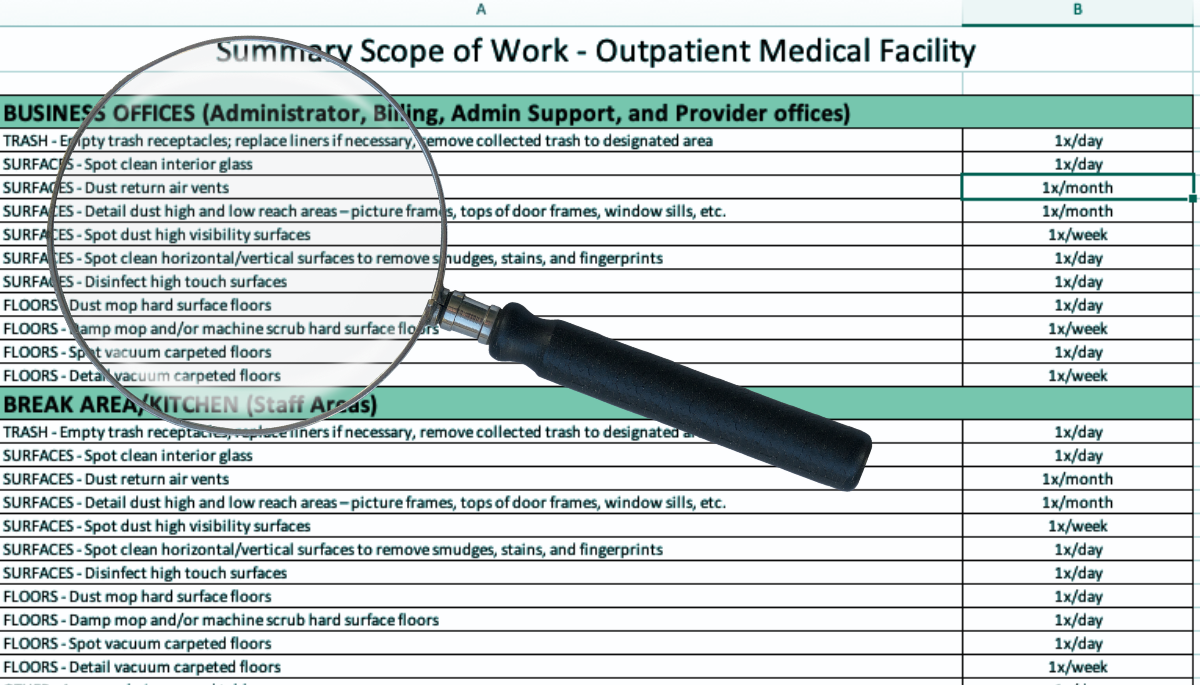
Most cleaning programs start with a detailed scope of work. Tasks are outlined, frequencies are set, and expectations are agreed upon. Once everything is in place, the plan is put into motion — and in many cases, it stays that way for years.
But your building doesn’t stay the same.
Over time, how your facility is used will shift. Headcount grows or shrinks. Departments relocate. Some areas become busier, while others see less traffic. Breakrooms expand. Restrooms handle more use. Storage areas turn into offices. Even flooring changes can impact how a space should be maintained.
If your cleaning scope hasn’t been updated in a while, there’s a strong chance it no longer reflects how your building actually operates.
Why Changes in Usage Matter
It doesn’t take a major renovation to impact your cleaning needs. Small, gradual changes can have a big effect.
For example, a department that once had a handful of employees may now be fully staffed. That means more foot traffic, more trash, and more pressure on shared spaces like restrooms and kitchens. A conference room that used to sit empty might now be used all day as overflow workspace.
At the same time, hybrid work has created uneven usage across many facilities. Some areas may sit nearly empty for days, while others stay consistently busy.
When your cleaning plan doesn’t adjust to these shifts, the result is imbalance. Certain areas may be cleaned more often than necessary, while others don’t receive enough attention. Over time, that leads to frustration and a noticeable drop in overall appearance.
How an Outdated Scope Impacts Your Budget
Cleaning is a labor-driven service. That means where hours are allocated matters.
If your scope is based on outdated assumptions, you could be spending money in the wrong places. Low-traffic areas may be getting more service than they need, while high-use areas are falling behind.
This doesn’t just affect appearance — it affects cost control.
You may feel like you’re paying for a full program but not getting consistent results. In many cases, the issue isn’t effort from the cleaning team. It’s that the plan they’re following no longer matches the reality of the building.
What a Good Cleaning Partner Should Be Doing
A reliable janitorial provider doesn’t treat the scope of work as something permanent. They understand that it should evolve over time.
That means regularly walking the facility, paying attention to how spaces are being used, and asking questions about changes in staffing or operations. When something shifts, they should bring it to your attention and recommend adjustments.
Those adjustments might include changing cleaning frequencies, shifting labor hours, or adding focus to areas that have become higher priority.
Importantly, this process isn’t about increasing cost. In many cases, it’s about using your existing budget more effectively.
When It’s Time to Take Another Look
At a minimum, your cleaning scope should be reviewed once a year. But there are also clear moments when a review makes sense:
- After hiring increases or reductions
- Following renovations or layout changes
- When departments move or expand
- If certain areas receive repeated complaints
- When traffic patterns shift due to scheduling changes
Any time the way your building is used changes, your cleaning plan should be revisited.
The Bottom Line
A cleaning scope shouldn’t be something you set once and forget. It should change as your facility changes.
The right janitorial partner won’t just follow the scope — they’ll help you improve it. When your cleaning plan stays aligned with how your building is actually used, you get better results, better efficiency, and fewer surprises.